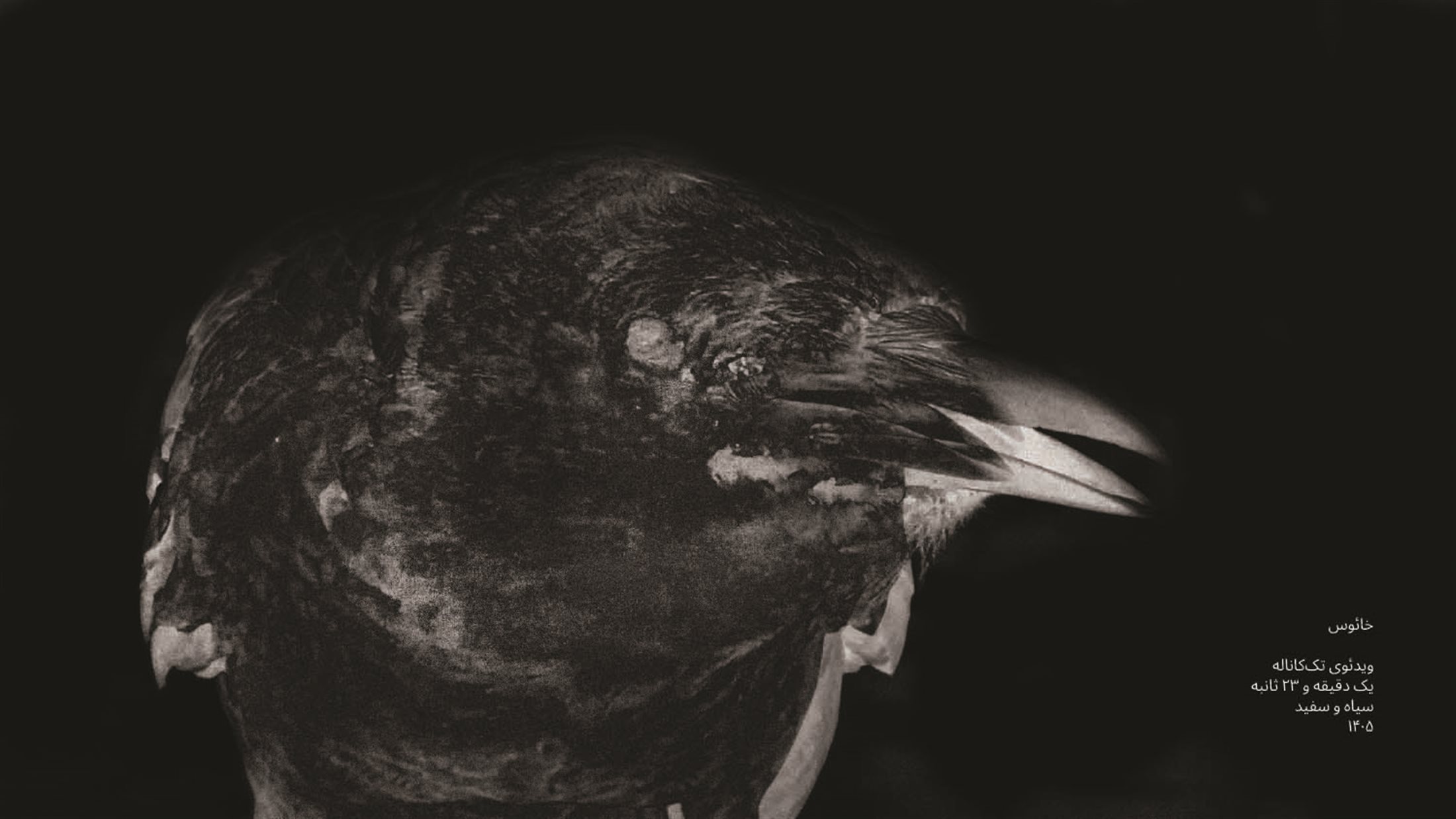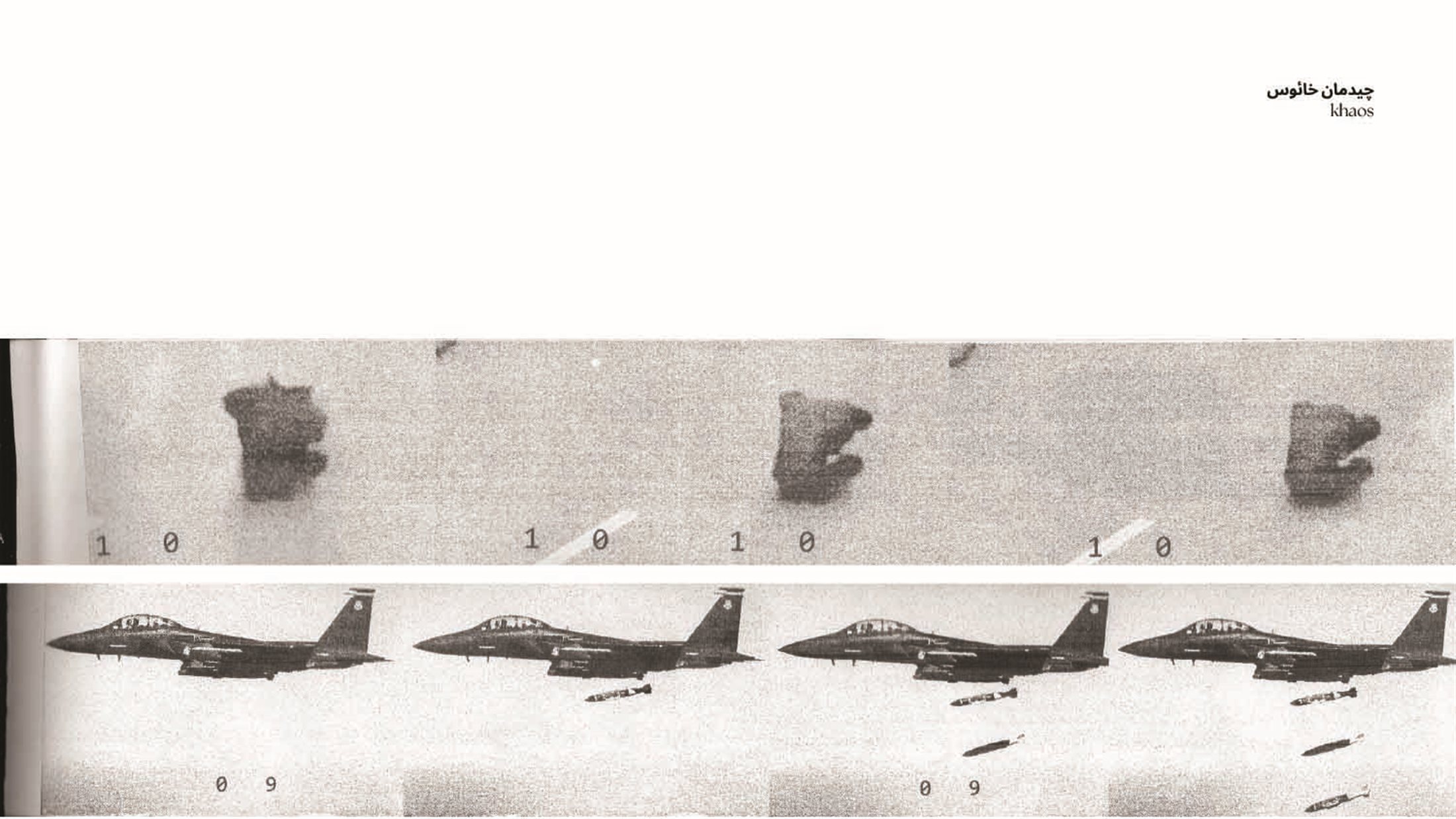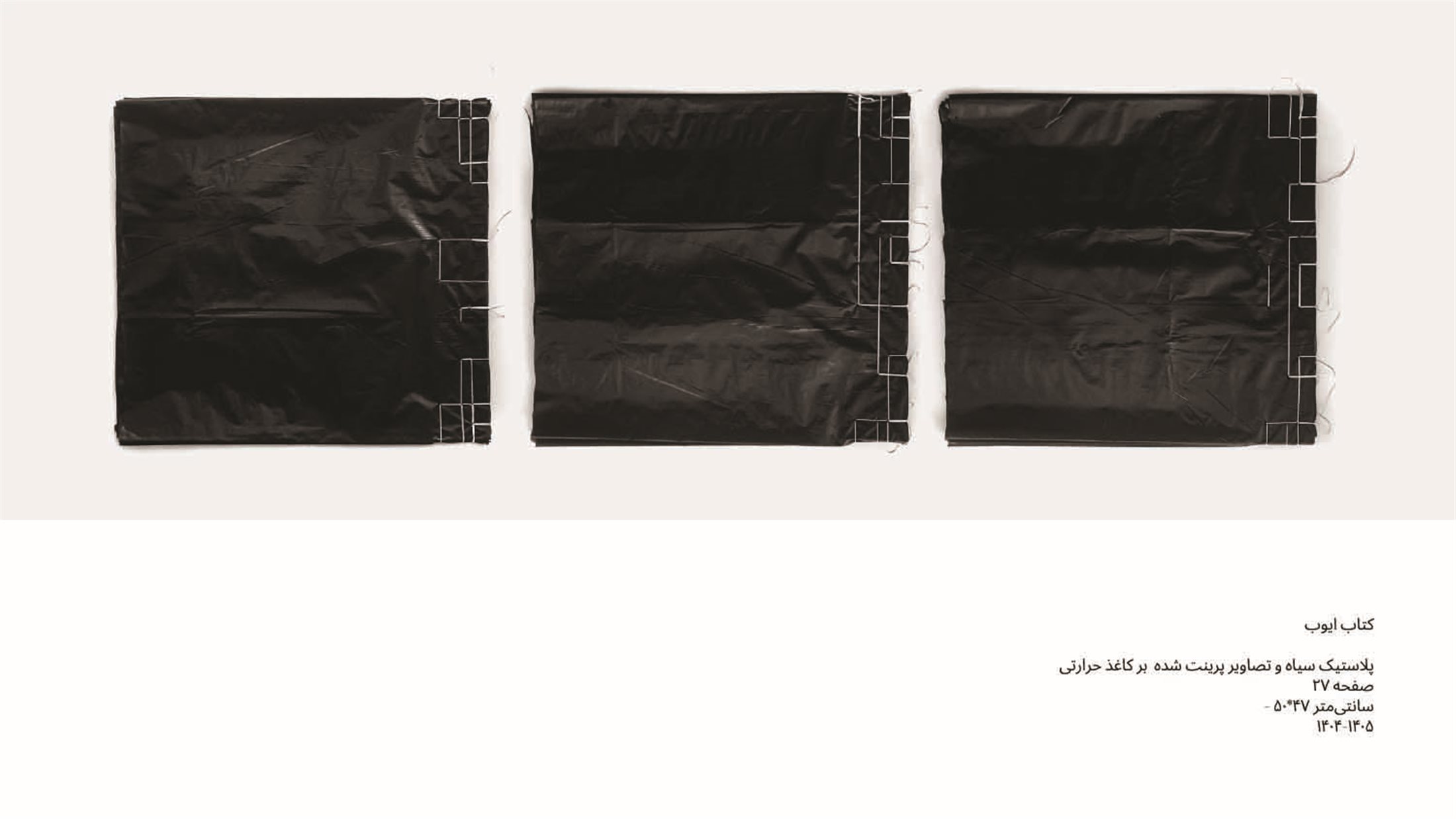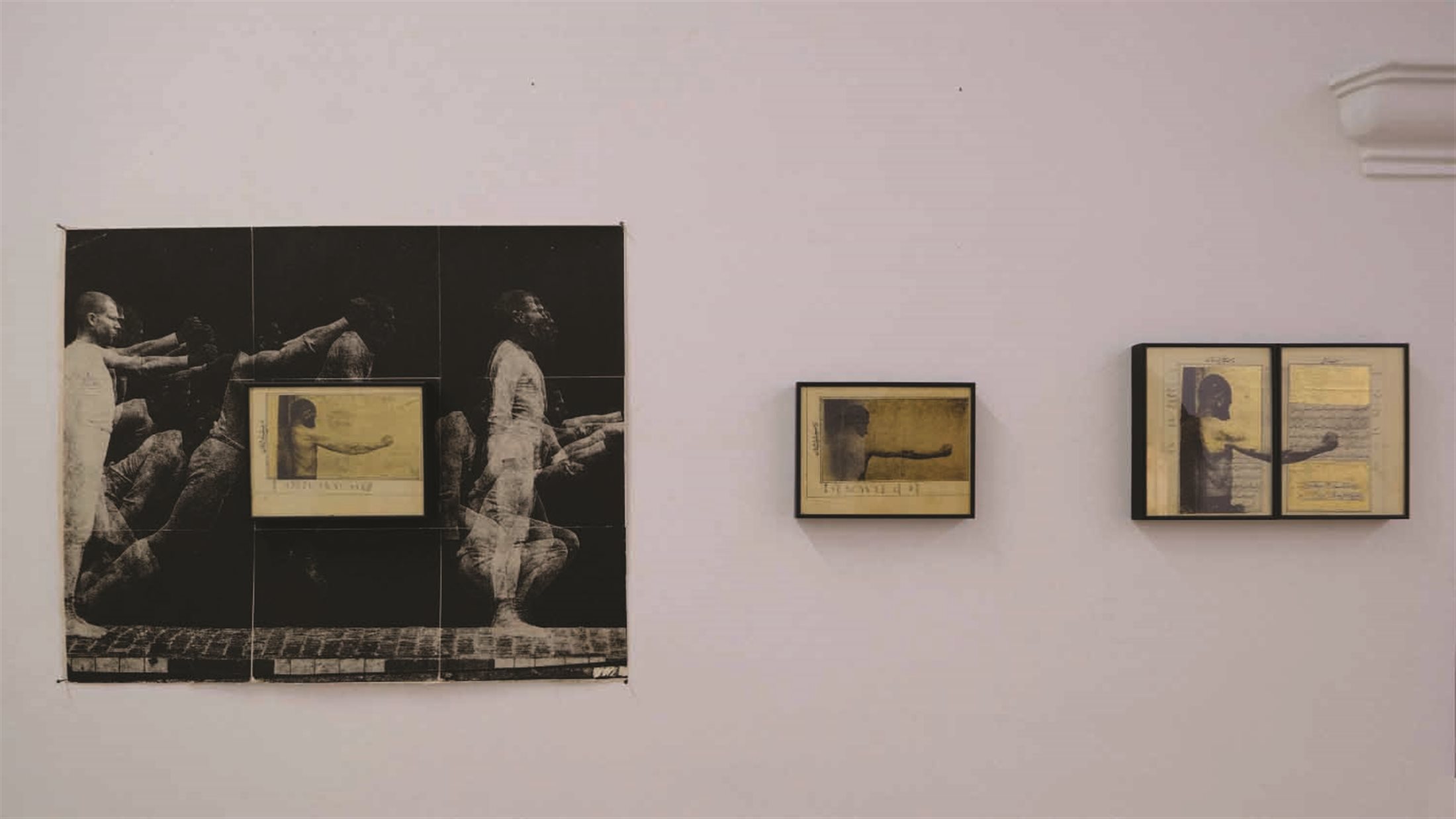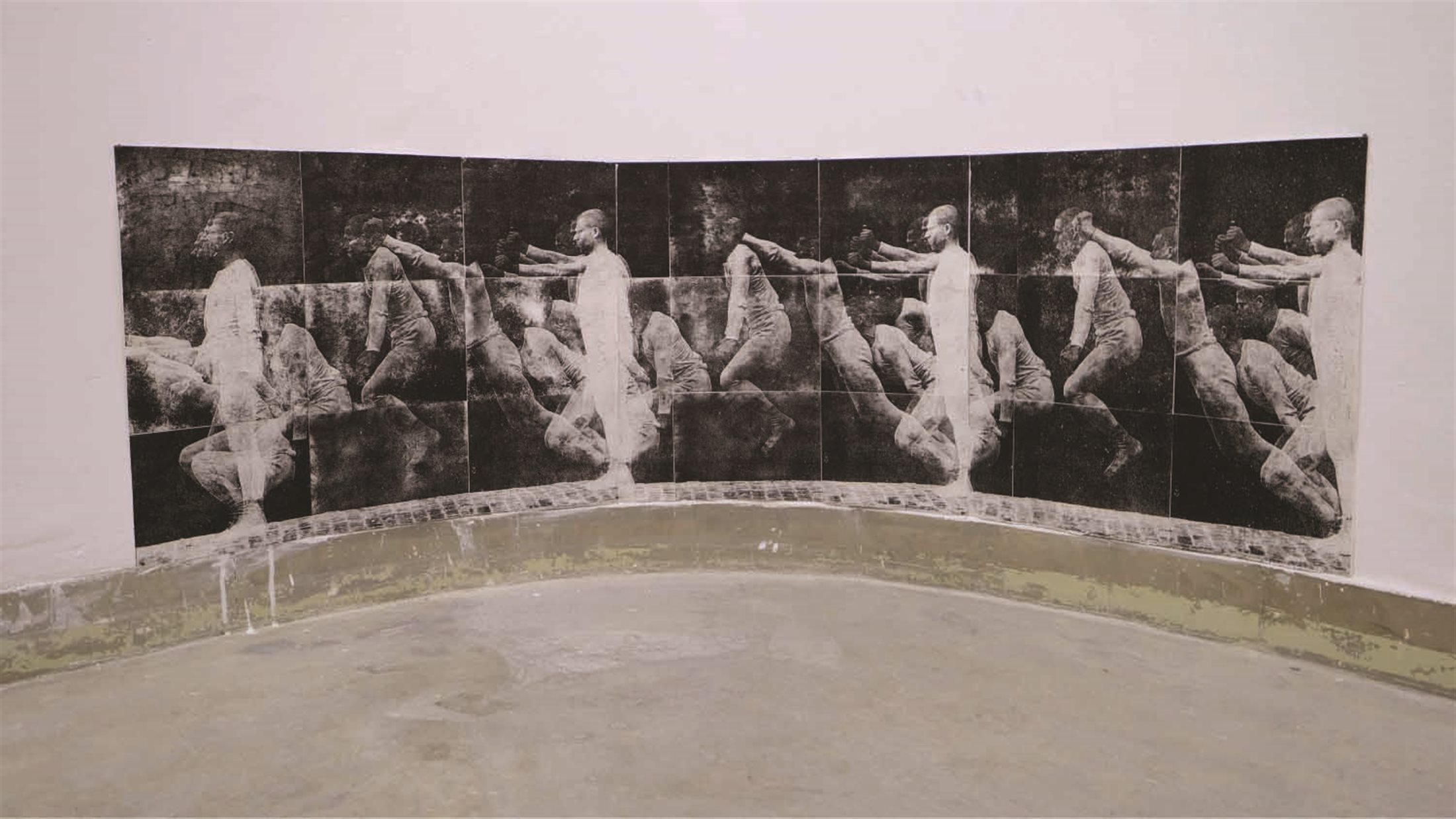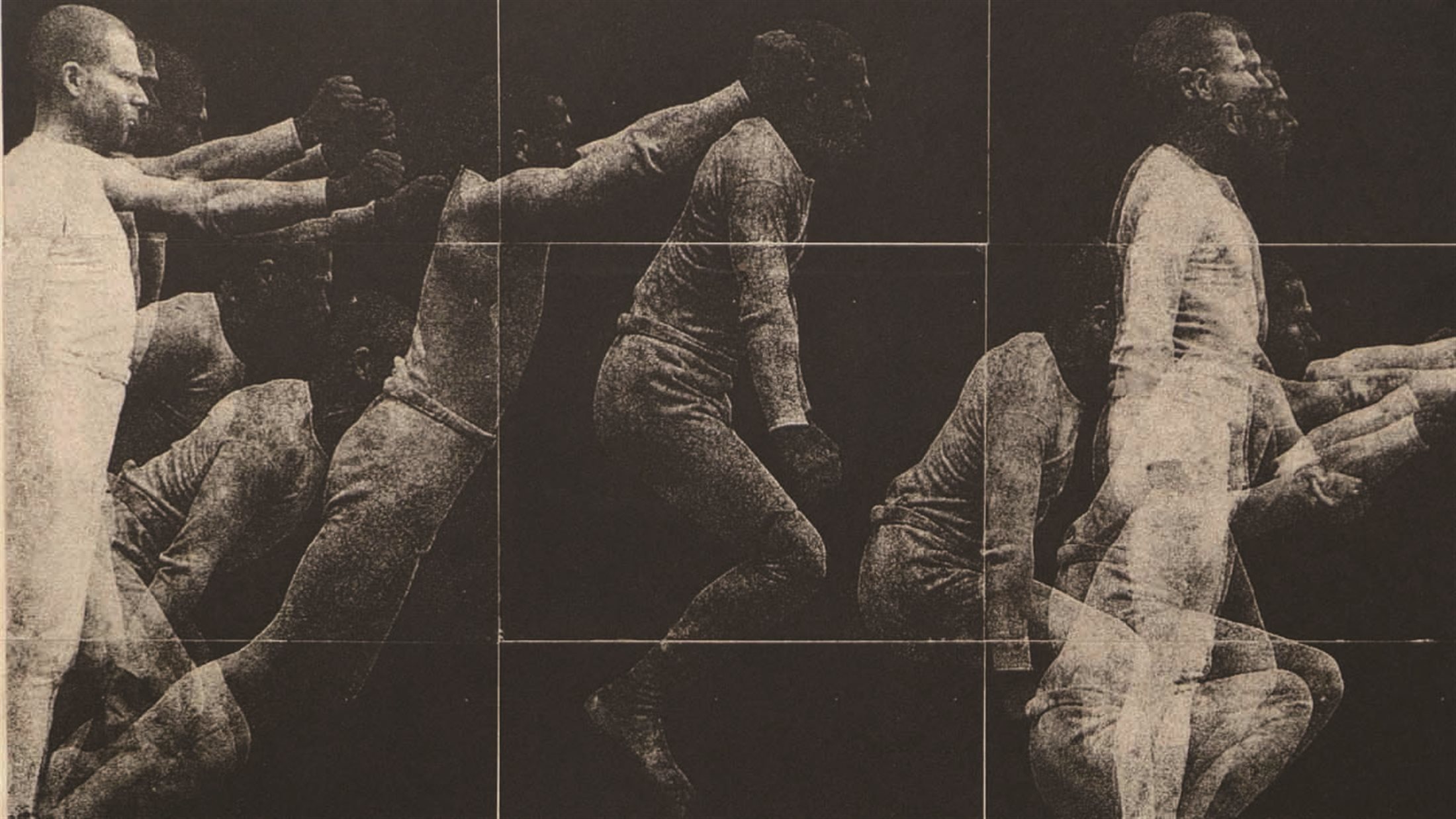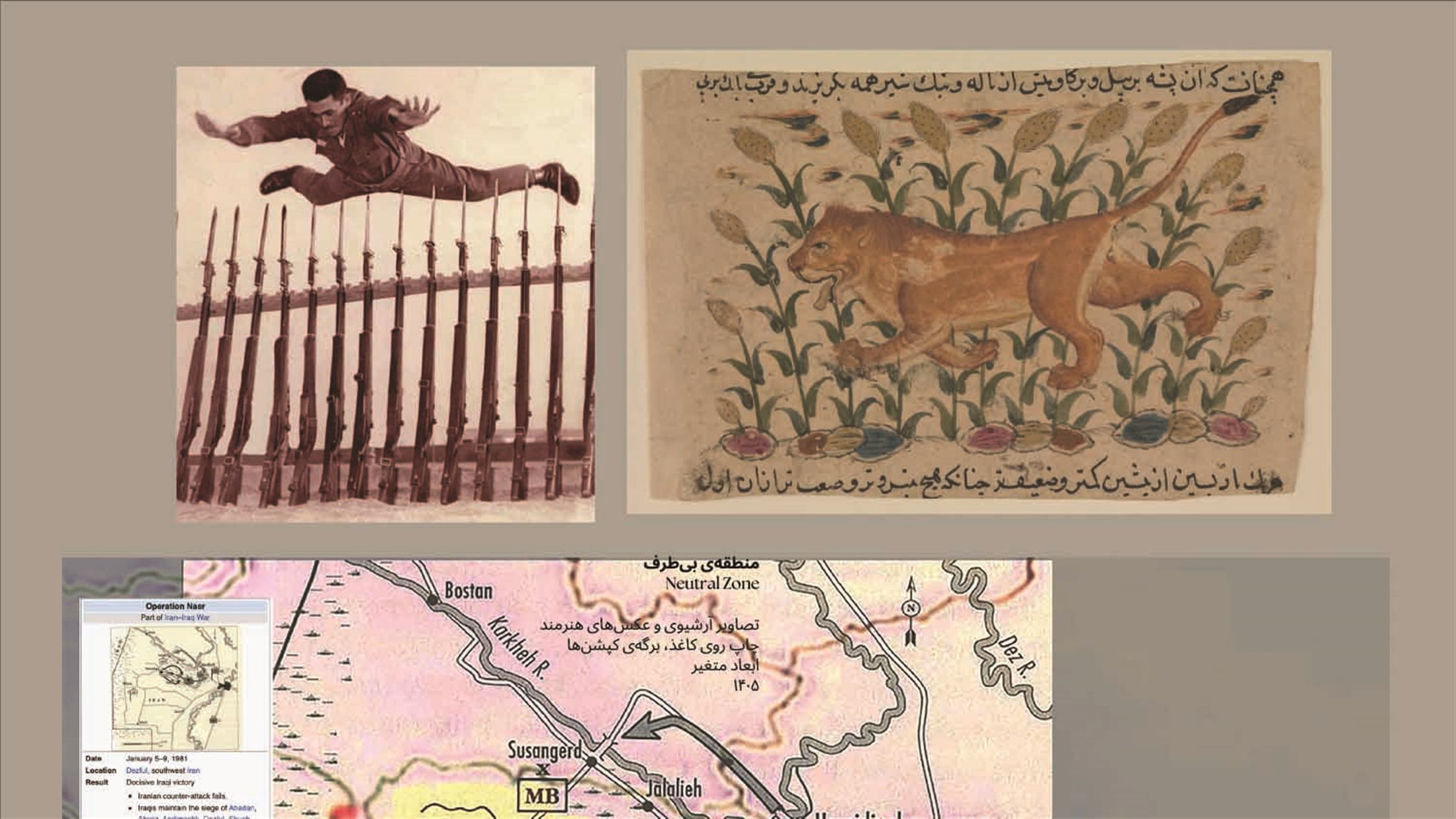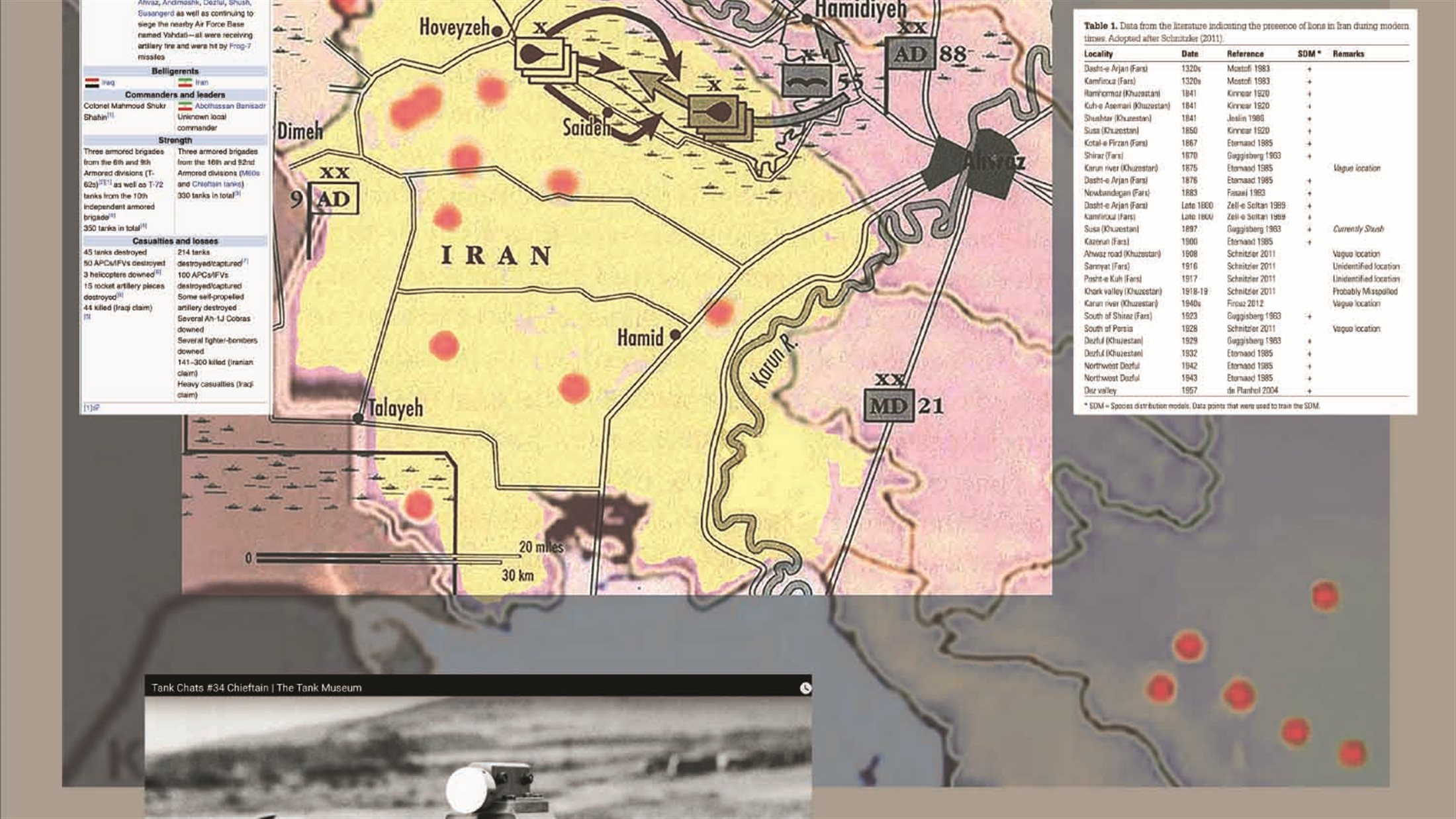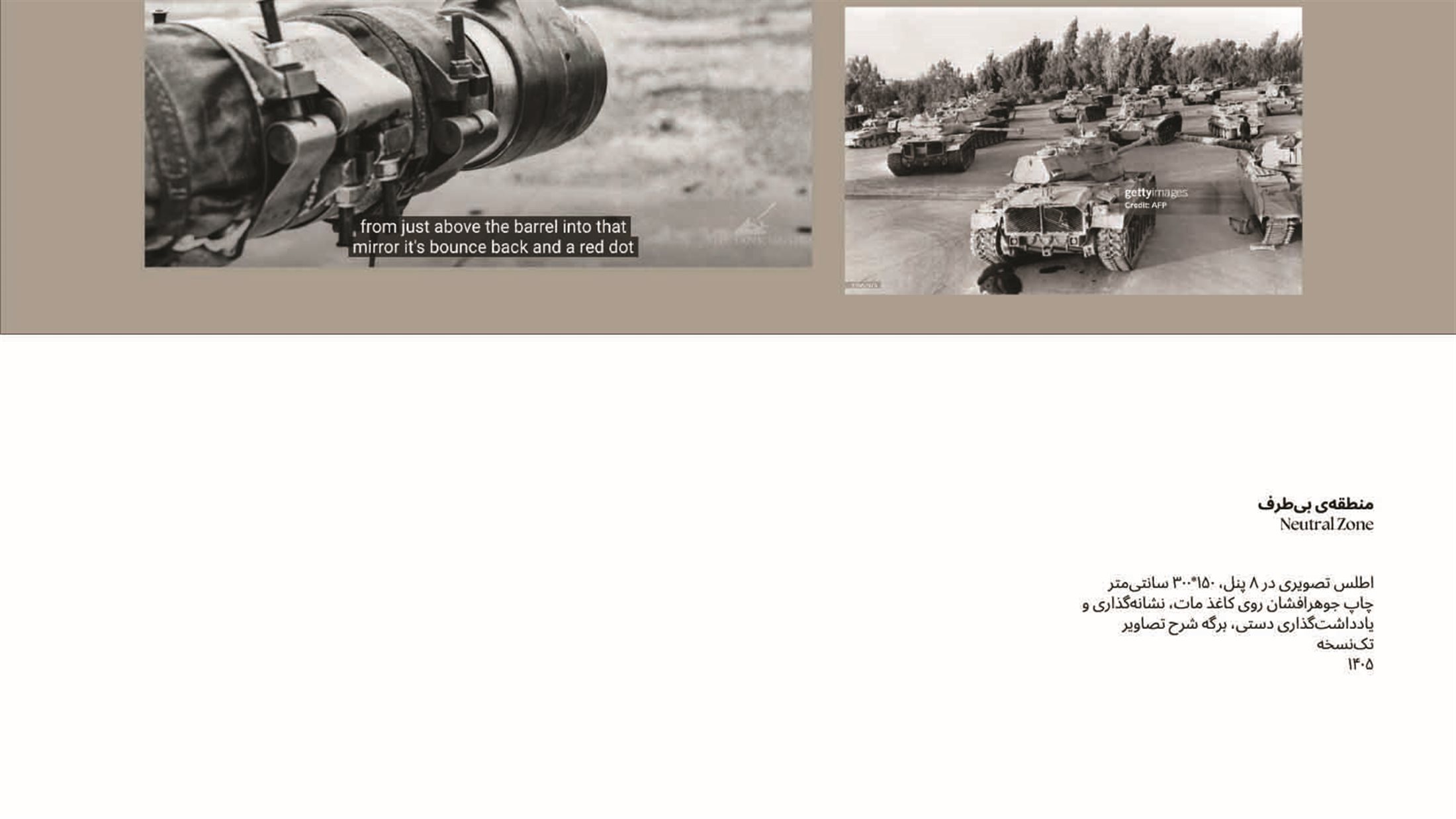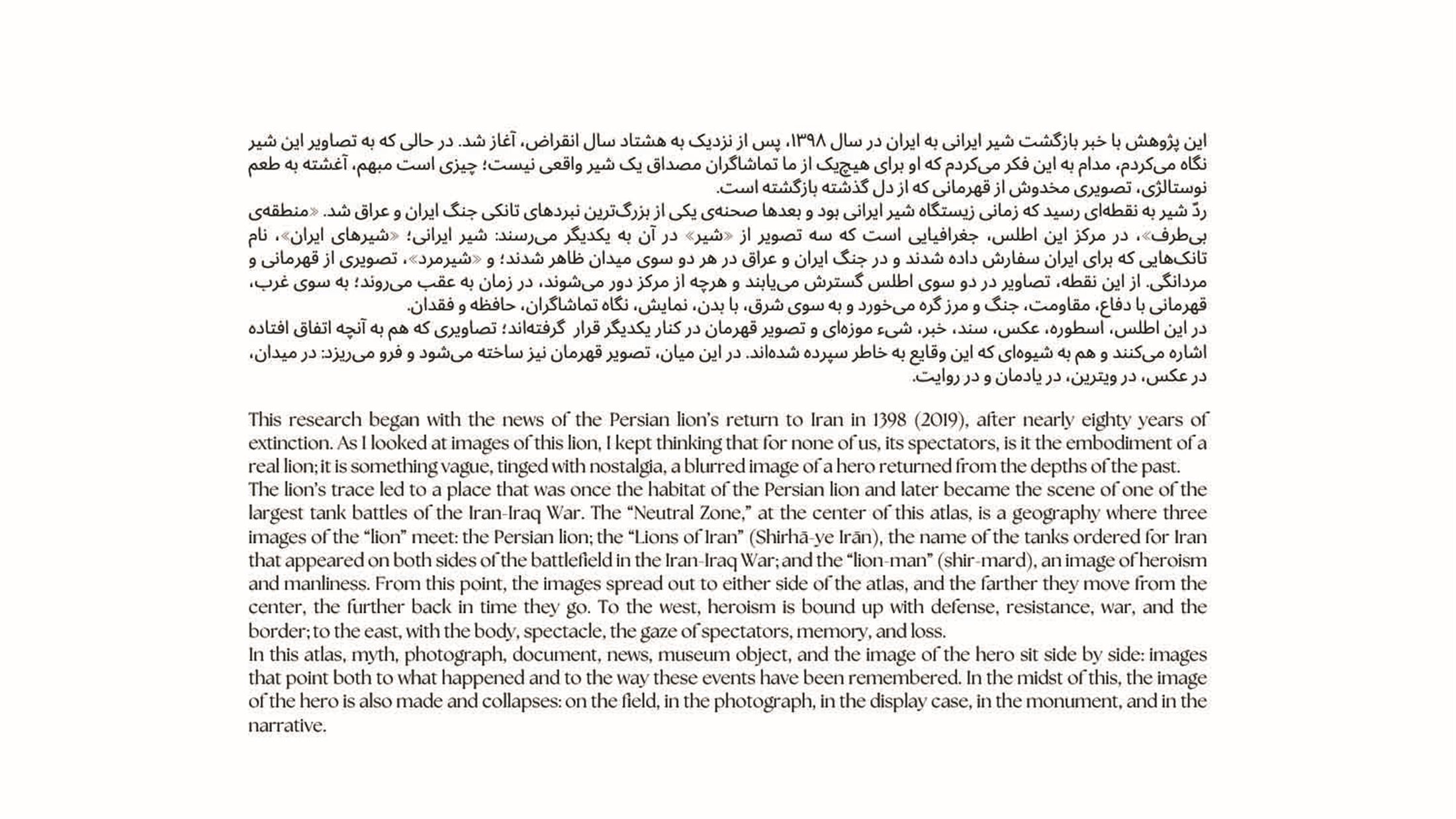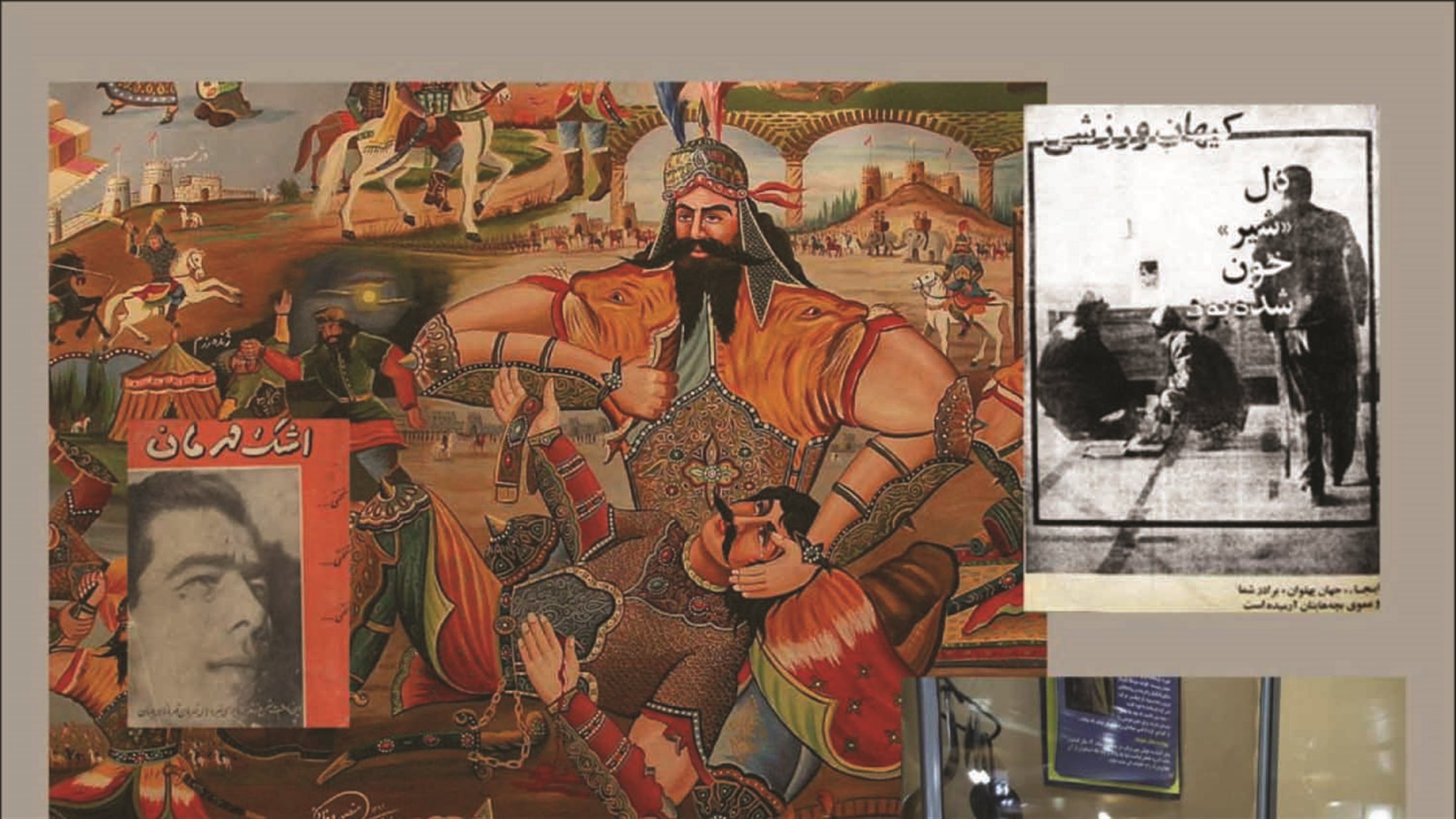

“Inherited Memory” begins from the premise that some images live on beyond the time and place of their production. They reappear in different historical periods, media, and cultural contexts, and each time they acquire a new meaning. Some of these images, in the process of transmission and repetition, settle into cultural memory, so that encountering them can arouse in the viewer many layers of historical, social, political, and emotional experience. From this perspective, the image does not belong to the past alone; it remains in cultural memory and, in each reappearance or “afterlife,” activates the past in the present.
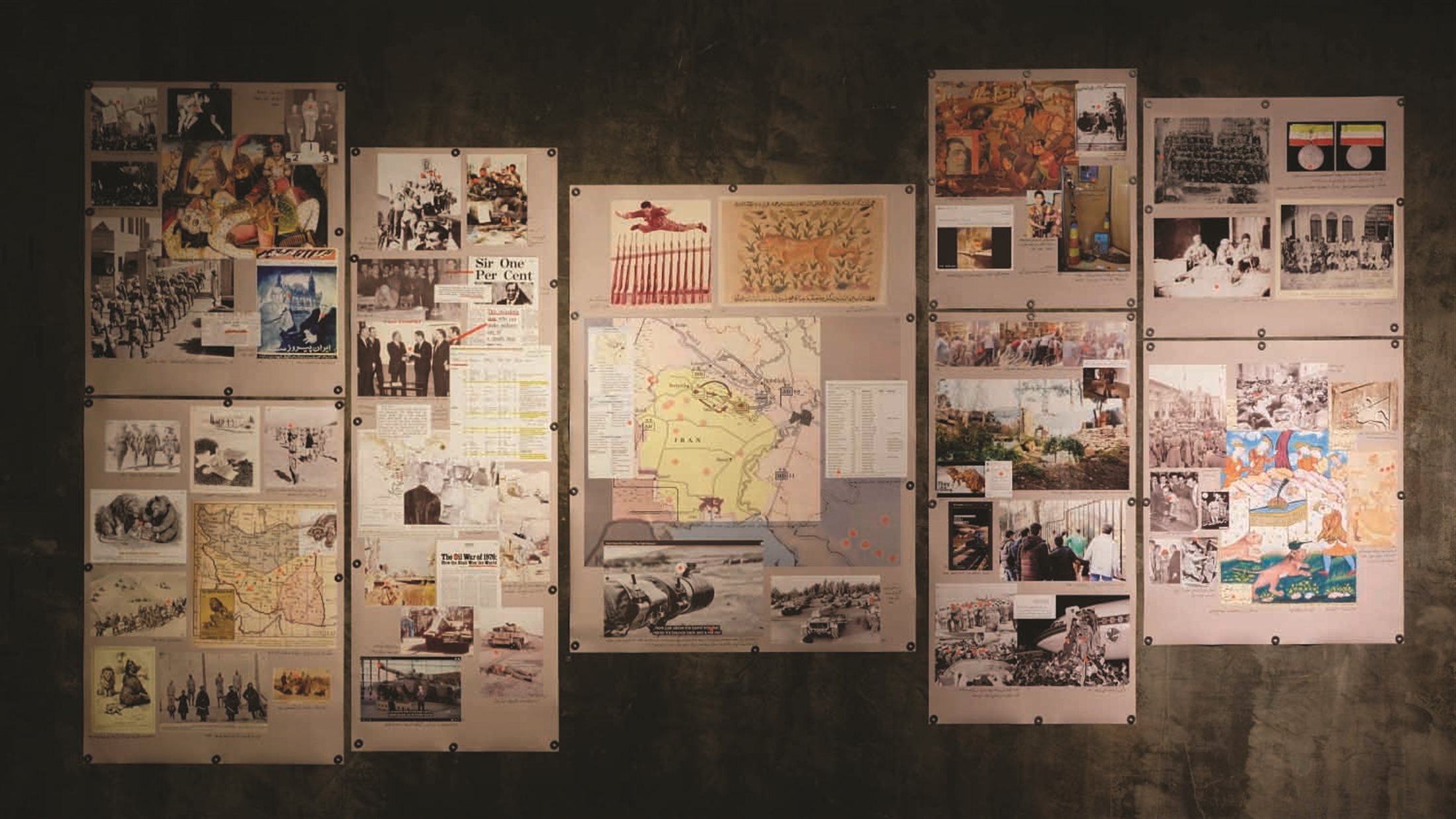
The project draws on the ideas of Aby Warburg, especially the Bilderatlas Mnemosyne (Mnemosyne Atlas), but does not intend to reconstruct it. In this atlas, Warburg placed images from different periods and cultures side by side, disregarding historical sequence and relying on similarities, tensions, and hidden relations, in order to reveal the paths of their survival (Nachleben), displacement, and transformation, and to show how emotional gestures, or Pathosformeln, pass from one period to another and return each time in a new context. In this view, the juxtaposition of images and their relation to one another produce meaning. This approach provides the basis, in this project, for re-reading certain corners of Iranian visual memory.
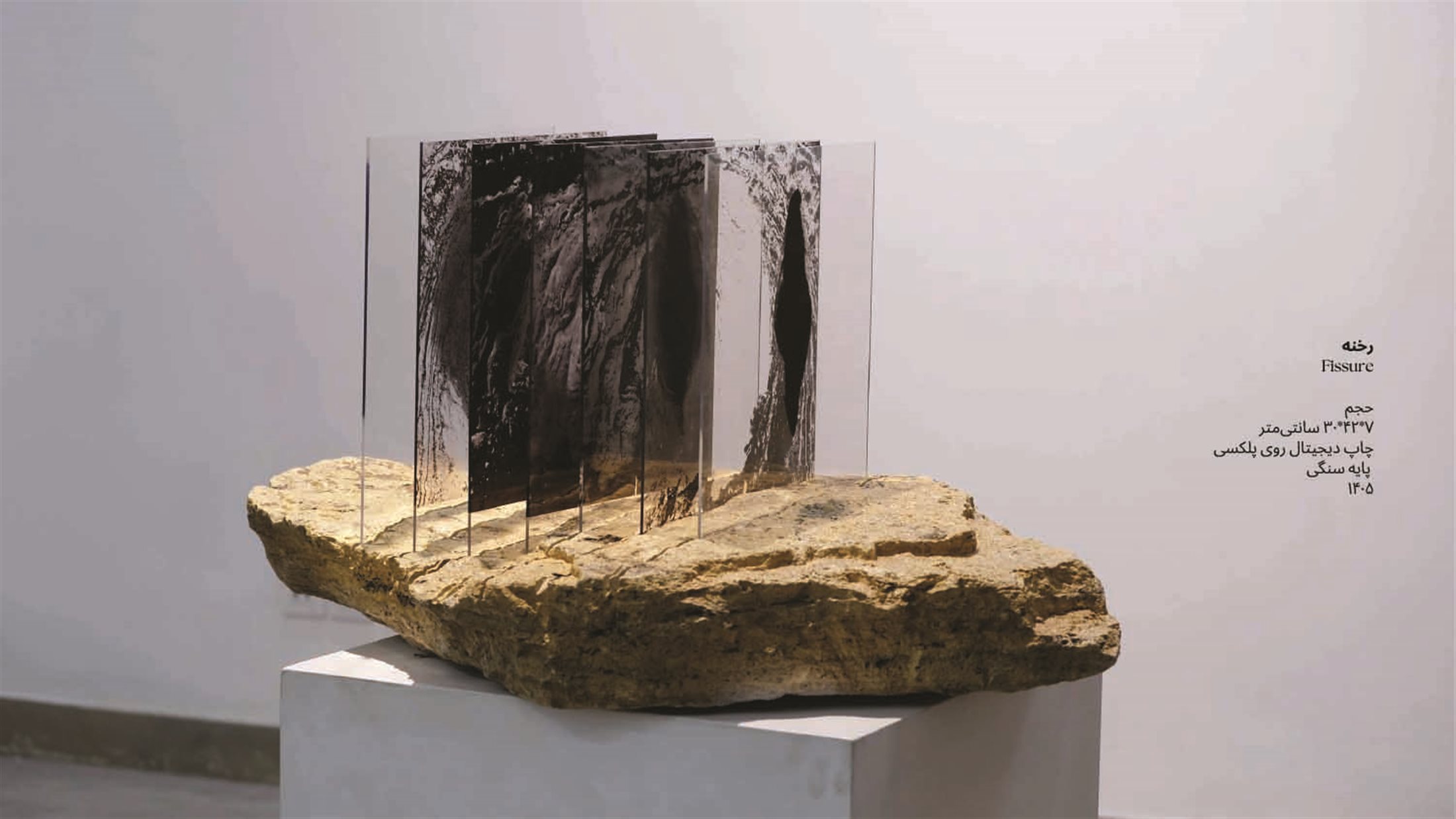
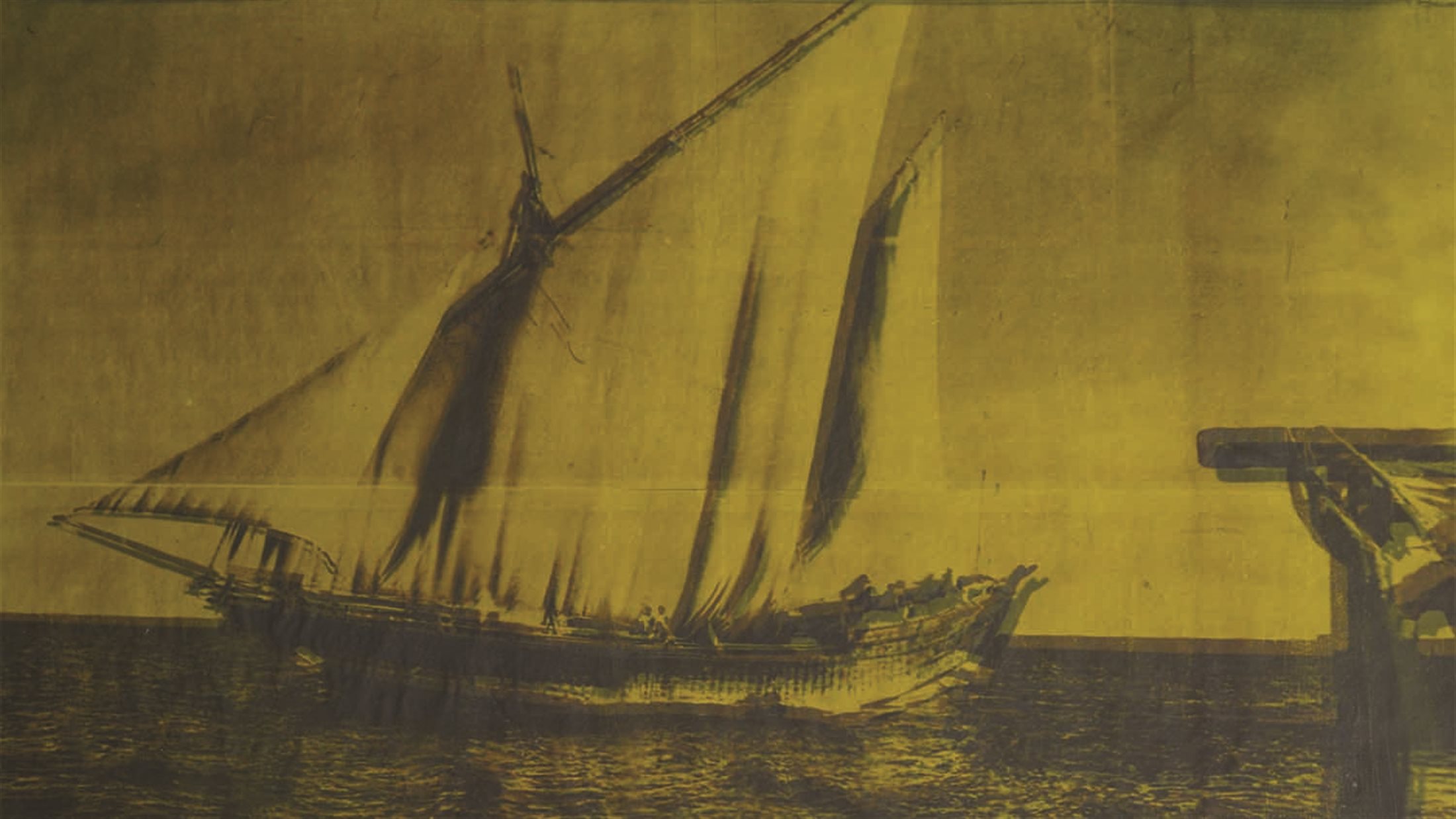
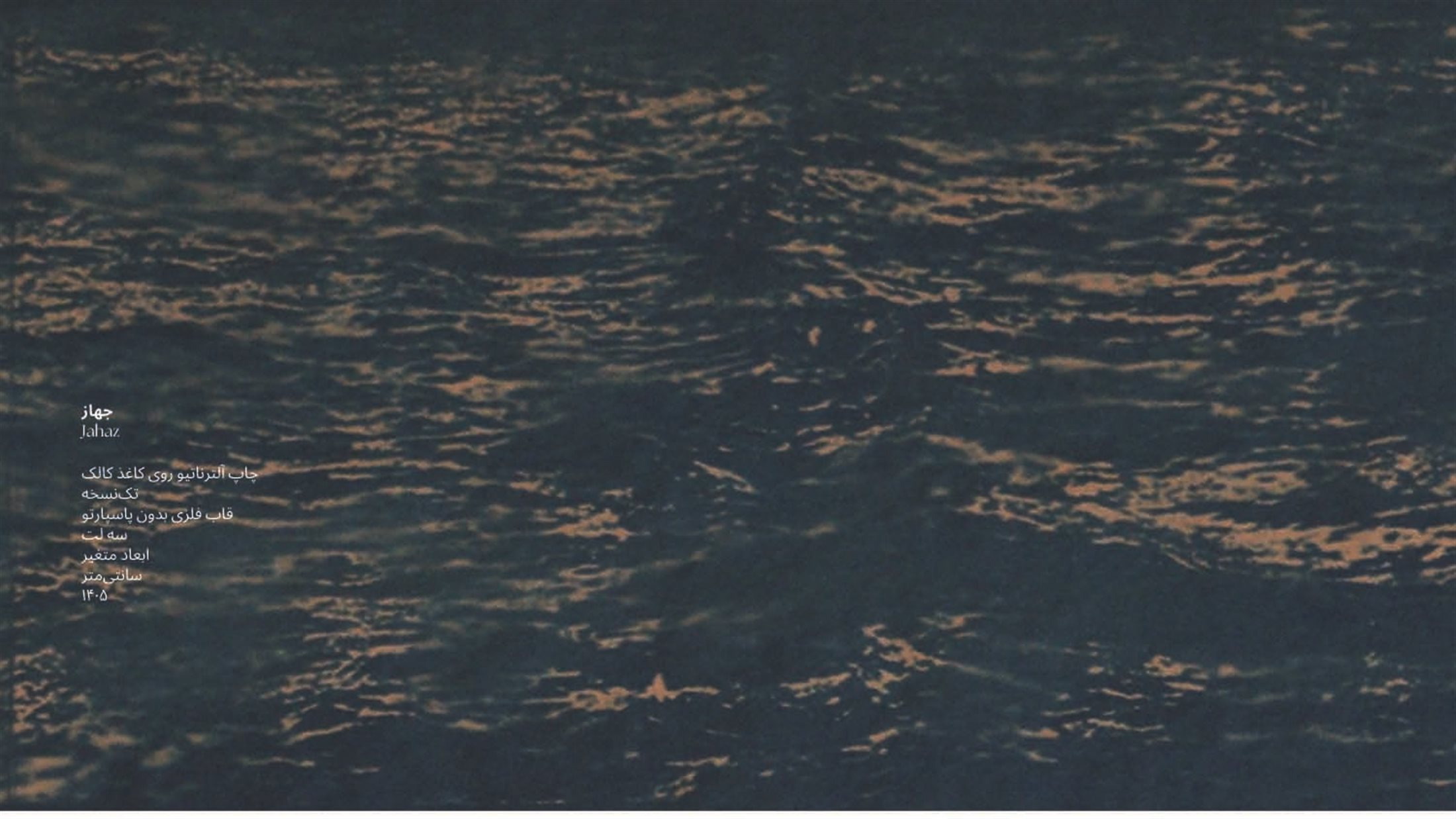
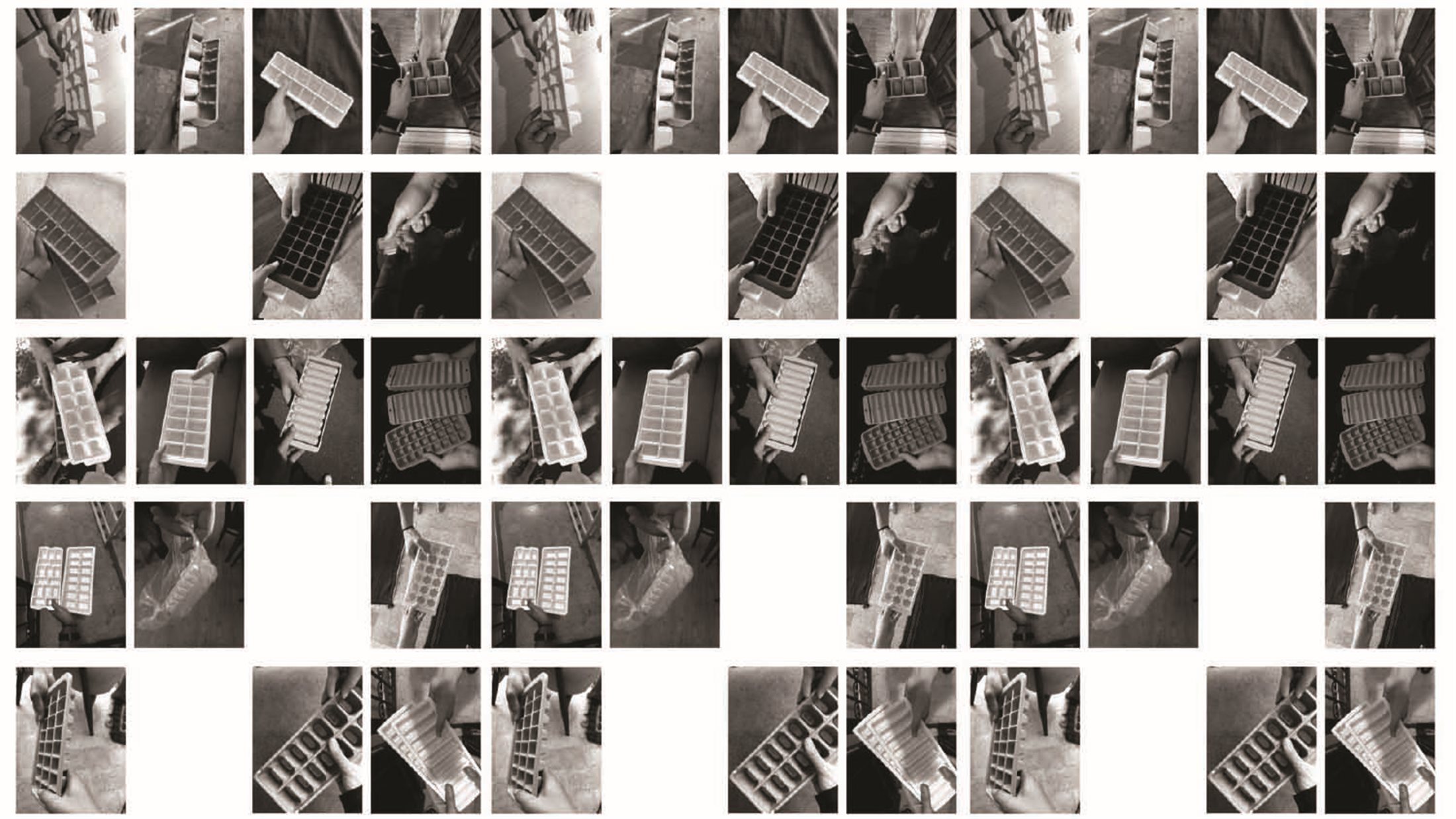
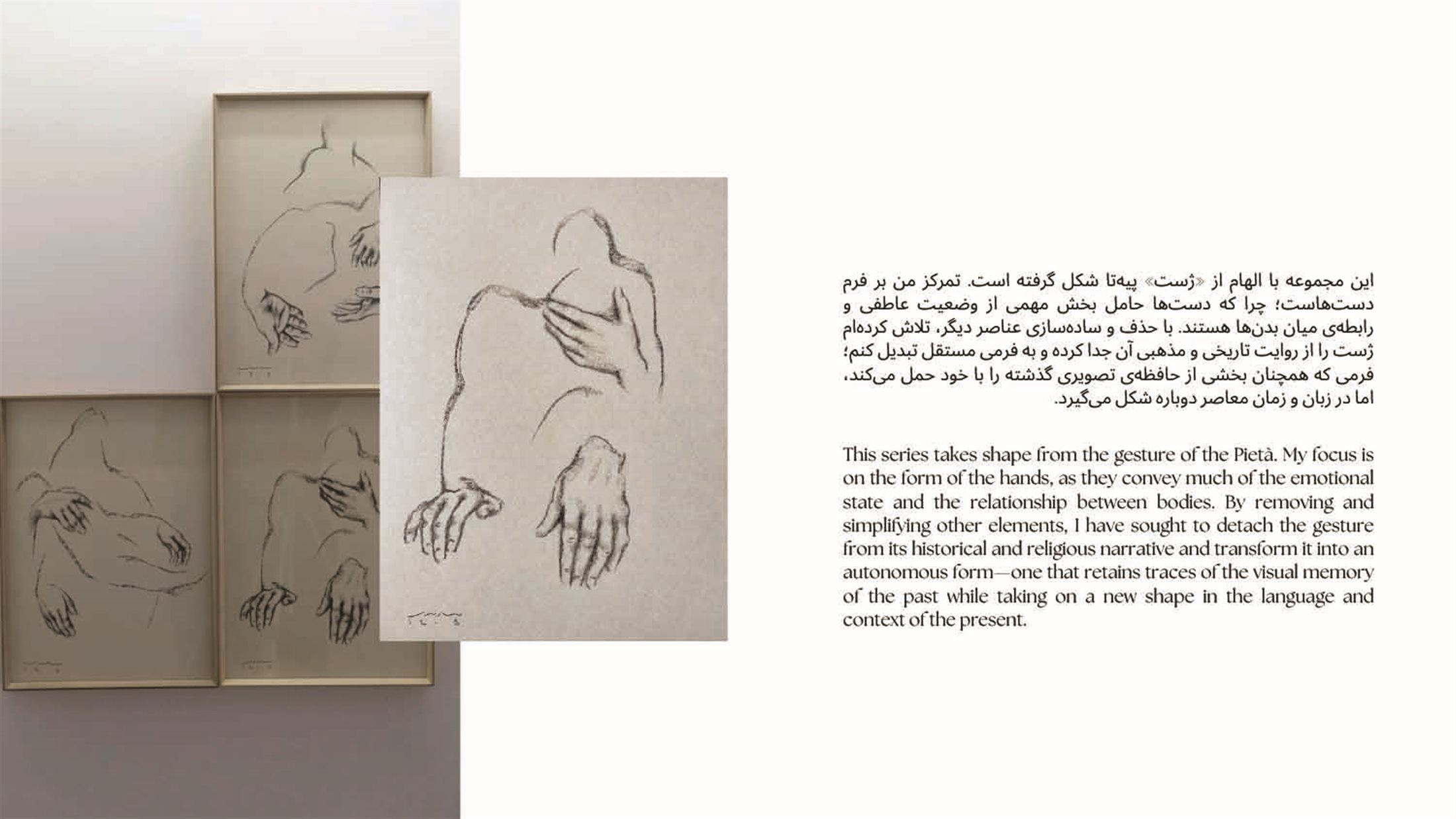
On this basis, a group of artists was invited to choose, in light of their intellectual world and artistic practice, a gesture or image that carries cultural memory: a form that has been repeated and has endured, and that can be re-created in a new way within each artist’s personal language.
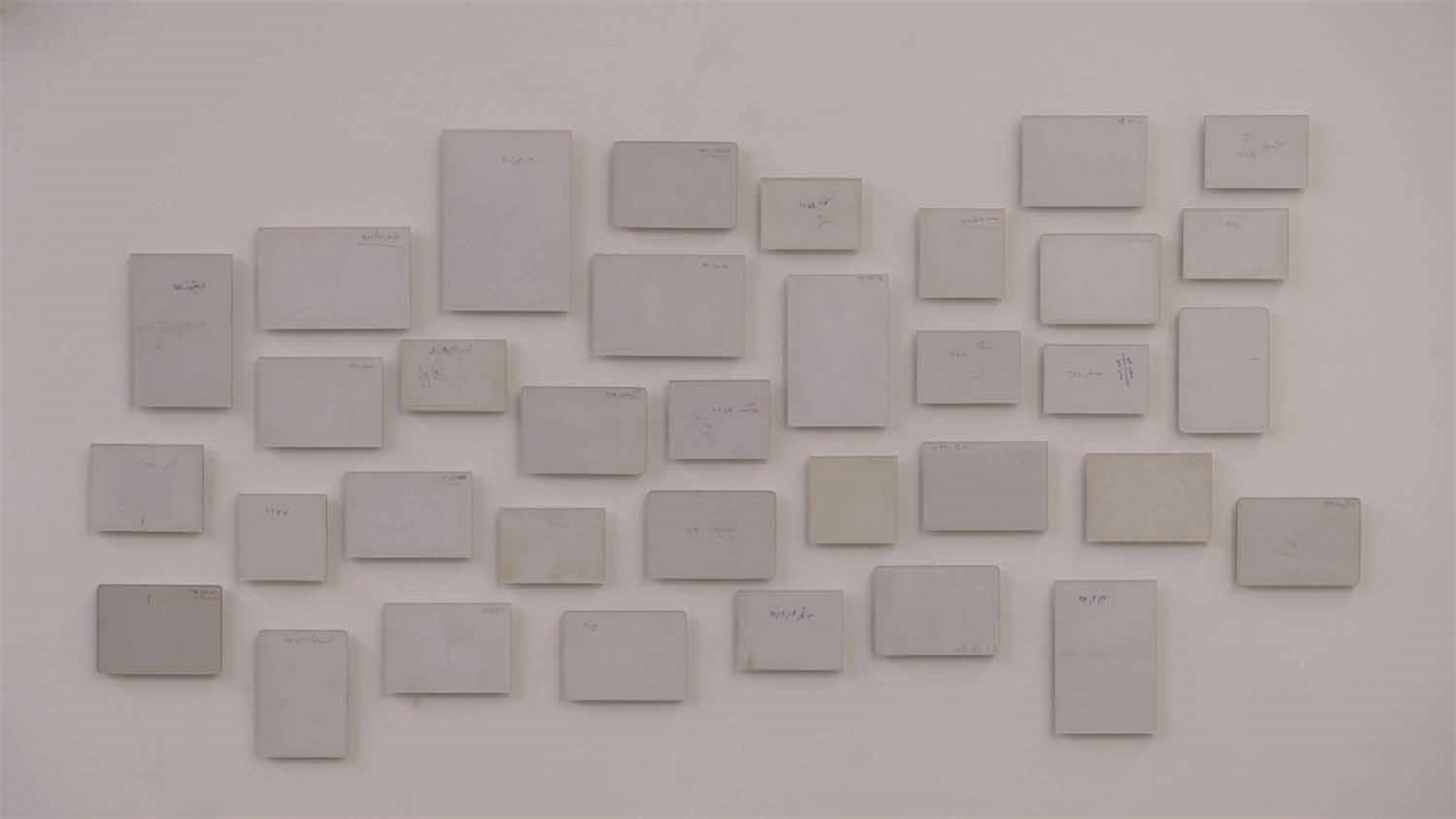
The works produced in this project are each an independent reading of a single model; yet side by side, like a page of an atlas, they bring into being a network of relations. “Inherited Memory” invites the viewer to confront the question of how images find meaning alongside one another, what relations can be discovered among them, and to what extent these relations exist in the juxtaposition of the images themselves and to what extent they take shape in the viewer’s gaze and association.
Group Exhibition “INHERITED MEMORY“
Phase one
Curator: Mina Hassani
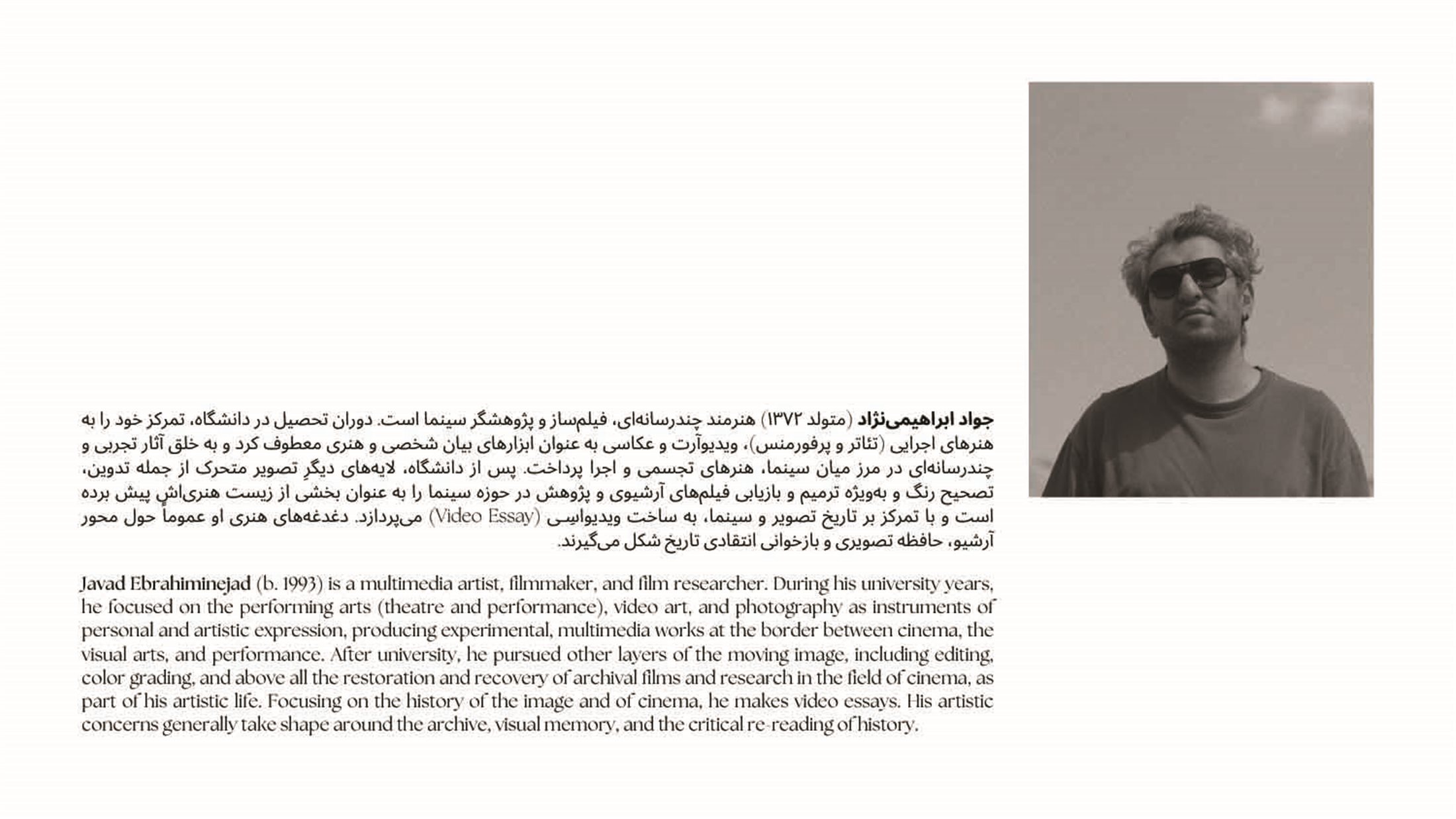
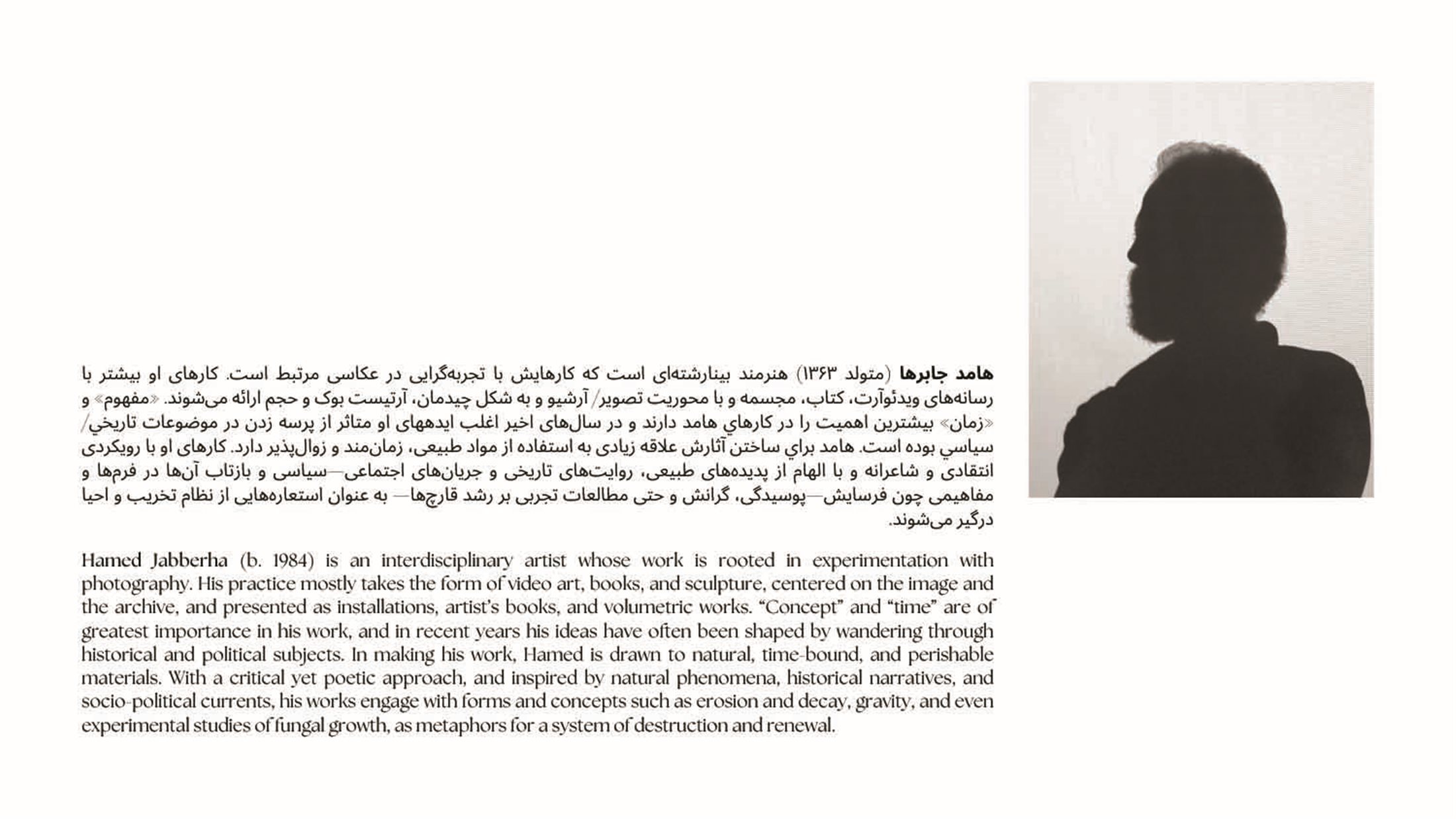
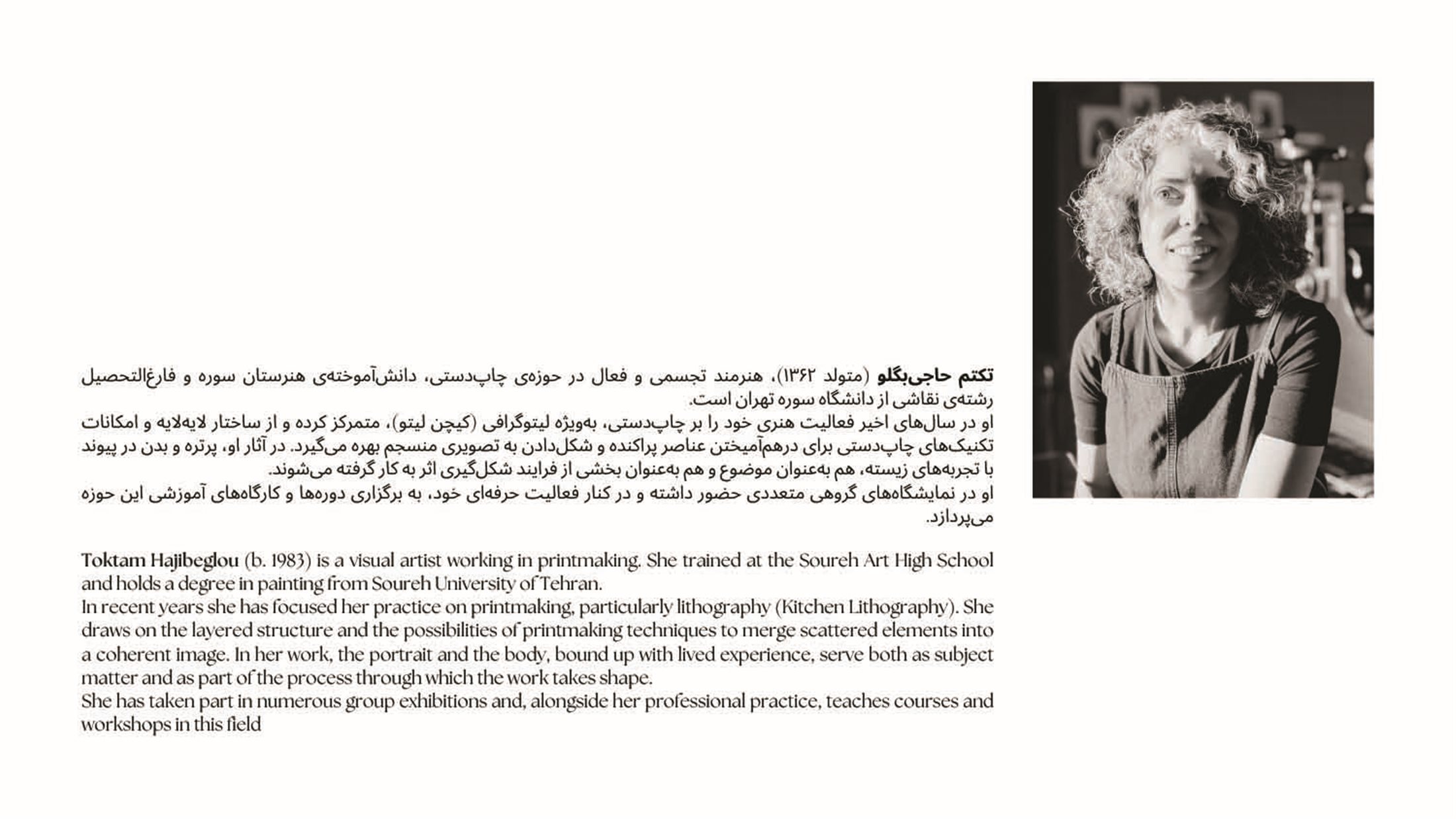
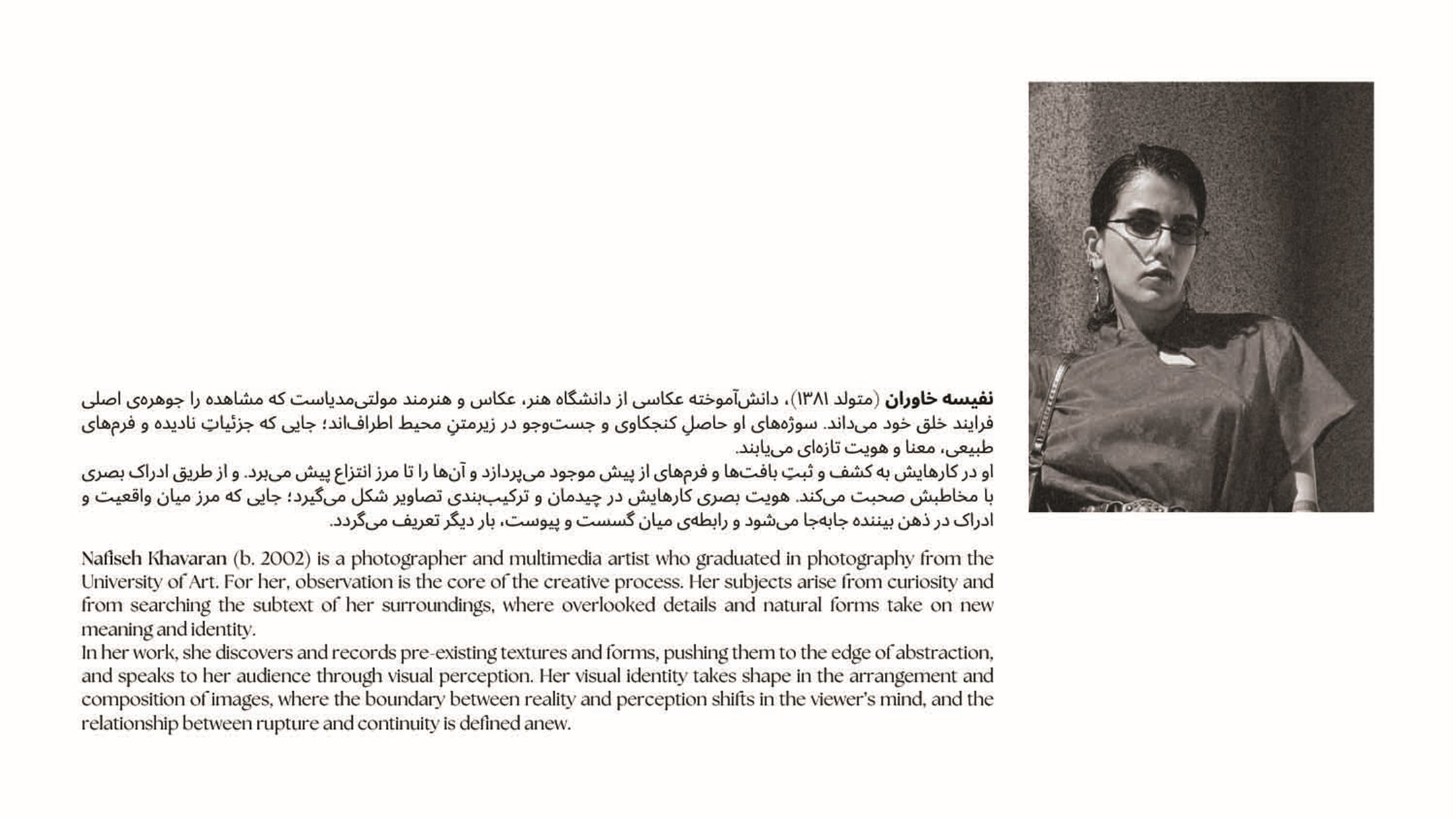
Artists: Javad Ebrahiminejad, Mahshid Afzali, Hamed Jaberha, Toktam Hajibegloo, Mina Hassani, Hengame Hosseini, Nafiseh Khavaran, Aida Rad, Saloumeh Souzanchi, Nastaran Fotouhi, Shaghayegh Kamyar, Maryam Katan, Diana Moslemi, Sahar Nahavandi, Zahra Yazdani
Poster design: Siavash Tasaodian
18 Sep-9 Oct 2026
Didar Art Gallery
«حافظه موروثی» از این پیشفرض آغاز میشود که برخی تصاویر، فراتر از زمان و مکان تولیدشان، به حیات ادامه میدهند. آنها در دورههای تاریخی، رسانهها و زمینههای فرهنگی گوناگون دوباره ظاهر میشوند و هر بار معنای تازهای مییابند. بعضی از این تصاویر، در فرایند انتقال و تکرار، در حافظه فرهنگی رسوب میکنند؛ بهگونهای که مواجهه با آنها میتواند لایههای متعددی از تجربههای تاریخی، اجتماعی، سیاسی و عاطفی را در مخاطب برانگیزد. از این منظر، تصویر صرفاً به گذشته تعلق ندارد؛ در حافظه فرهنگی باقی میماند و در هر ظهور یا «حیاتِ بعدی»، گذشته را در اکنون فعال میکند.
این پروژه از اندیشههای ابی واربورگ، بهویژه «اطلس مموزینه» (Bilderatlas Mnemosyne)، الهام میگیرد؛ اما قصد بازسازی آن را ندارد. واربورگ در این اطلس، تصاویر متعلق به دورهها و فرهنگهای مختلف را بدون توجه به توالی تاریخی، بر پایه شباهتها، تنشها و نسبتهای پنهان کنار یکدیگر قرار داد تا مسیرهای بقا (Nachleben)، جابهجایی و دگردیسی آنها را آشکار کند، و نشان بدهد که ژستهای عاطفی یا پاتوسفرمل (Pathosformel) چگونه از دورهای به دورهای دیگر عبور میکنند و هر بار در بافتی تازه بازمیگردند. در این نگاه، همنشینی تصاویر و رابطه آنها با یکدیگر معنا را شکل میدهد. این رویکرد، مبنایی برای بازخوانی برای بازخوانی گوشههایی از حافظهٔ بصریِ ایرانی در این پروژه است.
بر همین اساس، از گروهی از هنرمندان دعوت شد تا با توجه به جهان فکری و شیوه هنریشان، یک ژست یا تصویرِ حاملِ حافظه فرهنگی را انتخاب کنند؛ فرمی که تکرار شده و دوام آورده باشد، و بتواند در زبان شخصی هر هنرمند به صورتی تازه بازآفرینی شود.
آثار شکلگرفته در این پروژه، هر یک خوانشی مستقل از یک الگو هستند؛ اما در کنار یکدیگر، مثل صفحهای از یک اطلس، شبکهای از نسبتها را پدید میآورند. «حافظهی موروثی» مخاطب را به مواجهه با این پرسش دعوت میکند که تصاویر چگونه در کنار یکدیگر معنا مییابند، چه نسبتهایی میان آنها قابلکشف است و این روابط تا چه اندازه در خودِ همنشینی تصاویر وجود دارند و تا چه اندازه در نگاه و تداعی مخاطب شکل میگیرند.