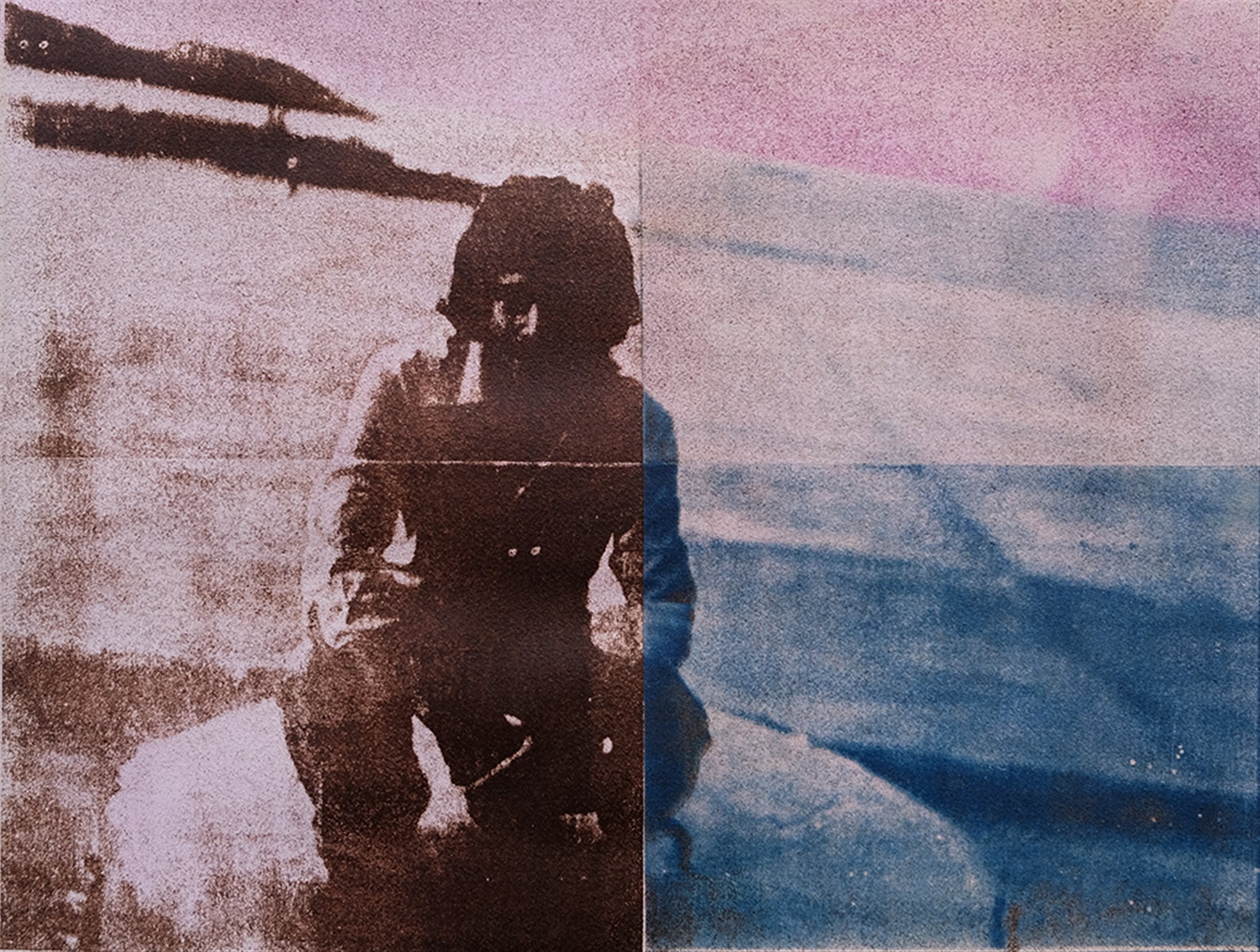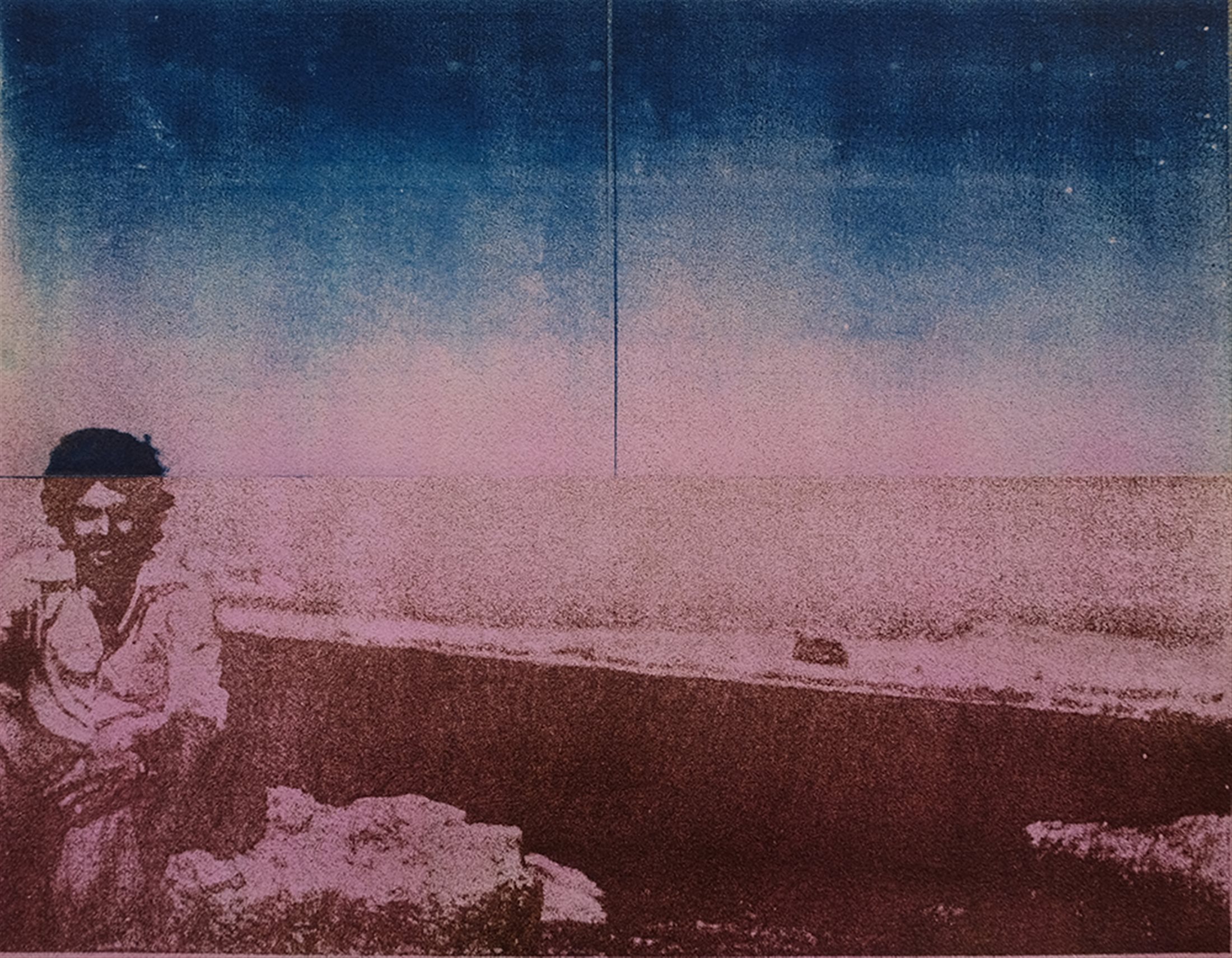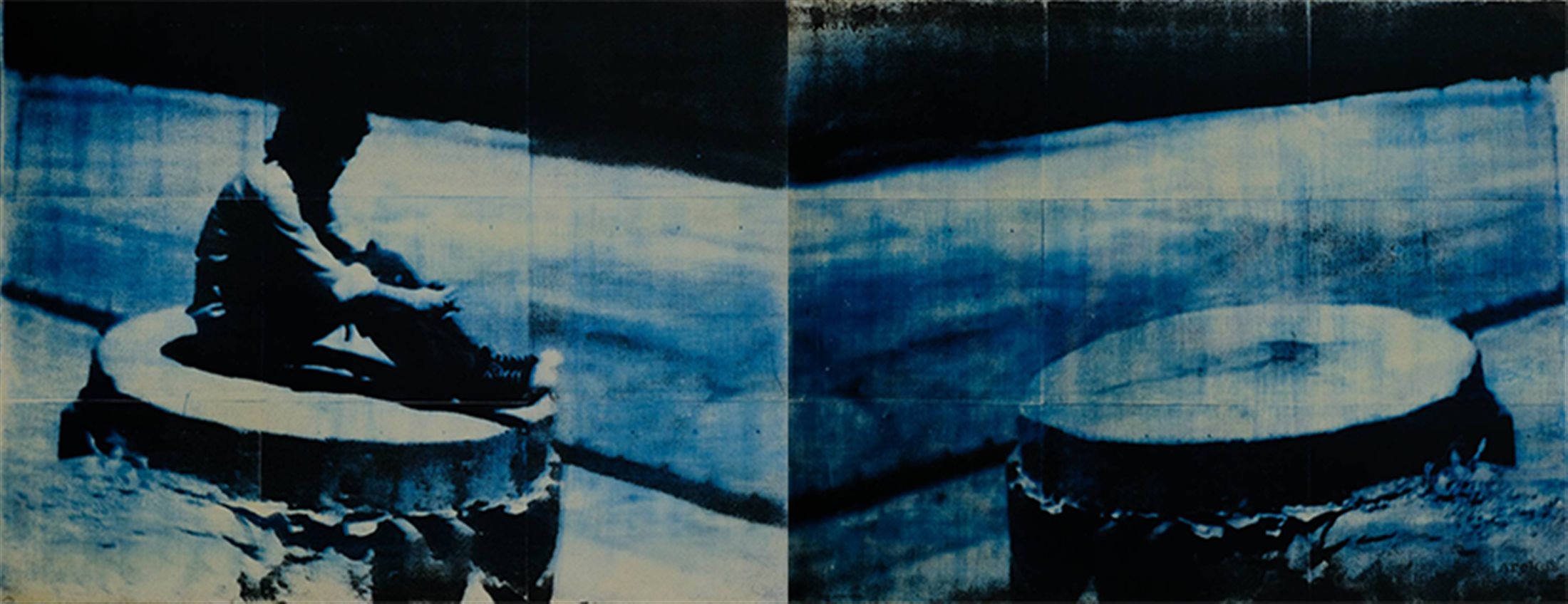

“Stilness” begins with a collection of family Polaroids—images of my father sitting on a platform along the southern coast of Iran. In these photographs, his body becomes part of the landscape; a temporary presence against the sea, the horizon, and a terrain that existed before him and continues to exist after him.
With time, that body has been removed from the landscape. What remains is the place itself: the platform, the sea, the horizon, the light, and a geography that continues to change and endure. This absence becomes the starting point of my study of landscape.
What remains of a landscape when the person who experienced it is no longer present within it? Does landscape carry the memory of the human being, or is it merely a silent witness to their absence?
In “Stllness,” landscape is not the backdrop to human presence, but the subject itself. For me, the Polaroids are documents of a moment when the body was still present within the landscape; yet I revisit them from a position after that absence. The platform where a restless body once sat has now become part of the geography itself—a trace of a presence that is no longer there.
«قرار» از مجموعهای از پولارویدهای خانوادگی آغاز میشود؛ تصاویری که پدرم را در نقاطی از ساحل دریای جنوب، نشسته بر سکویی، ثبت کردهاند. در این تصاویر، بدن او بخشی از منظره است؛ حضوری موقت در برابر دریا، افق و زمینی که پیش و پس از او نیز وجود داشته است.
با گذشت زمان، آن بدن از منظره حذف شده است. آنچه باقی مانده، مکان است: سکو، دریا، افق، نور و جغرافیایی که همچنان در حال تغییر و ادامهیافتن است. همین غیاب، نقطهی آغاز مطالعهی من دربارهی لنداسکیپ است.
چه چیزی از یک منظره باقی میماند، وقتی انسانی که آن را تجربه کرده دیگر در آن حضور ندارد؟ آیا لنداسکیپ حافظهی انسان را در خود حمل میکند، یا صرفاً شاهد خاموش غیاب اوست؟
در «قرار»، لنداسکیپ نه پسزمینهی حضور انسان، بلکه موضوع اصلی است. پولارویدها برای من سندی از لحظهای هستند که بدن هنوز در منظره حضور دارد؛ اما بازخوانی آنها از موقعیتی پس از غیاب انجام میشود. سکویی که زمانی محل نشستن یک بدنِ بیقرار بوده، اکنون به بخشی از خودِ جغرافیا بدل شده است؛ نشانی از حضوری که دیگر وجود ندارد.